
How to Choose Nuts and Bolts: Material, Grade and Size
Learn how to choose nuts and bolts by material, grade, thread, size and finish, with practical ordering advice for engineering and bulk buyers.

Choosing nuts and bolts starts with the joint, not the shape of the fastener. A connection that holds a steel bracket in place may need a different specification from a removable machine cover or a furniture fixing. This guide explains five decisions—material, grade, thread, size and finish—to discuss with your engineer or fastener supplier before ordering.
1. Identify the job and joint requirements
Write down which components are being joined, their materials, whether the joint is permanent or regularly removed, and any movement, vibration, moisture or temperature exposure. For load-bearing and safety-critical applications, the design authority must specify the correct fastener requirements. A familiar-looking nut or bolt is not automatically a safe substitute.
2. Choose a suitable material
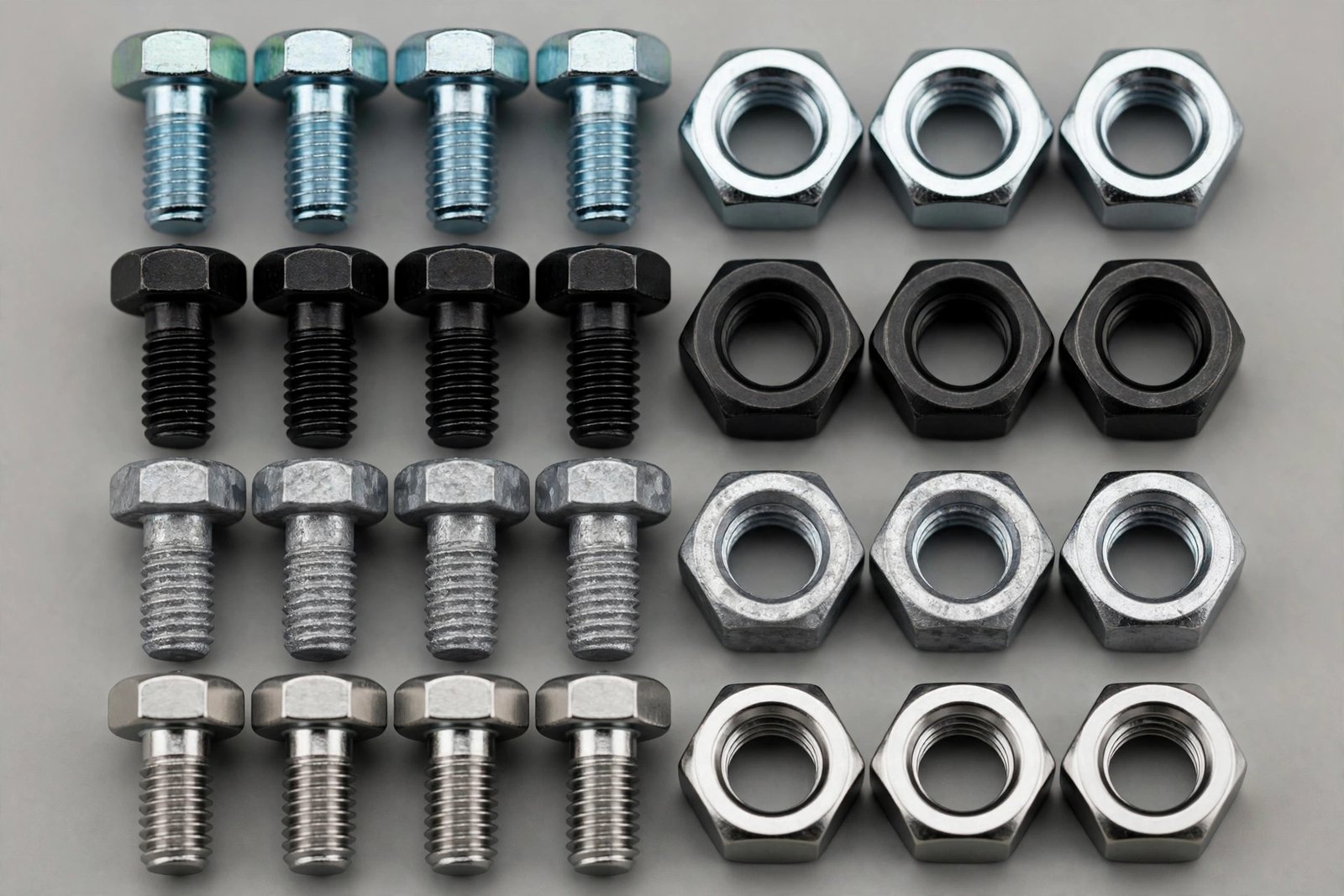
Common fastener material families include carbon steel, alloy steel and stainless steel. They differ in mechanical properties, corrosion behaviour and cost. Stainless steel can be useful in corrosive environments, but not every stainless fastener has the same mechanical strength as a high-strength steel fastener. Ask for a product-specific material confirmation rather than assuming every option is available.
3. Confirm bolt and nut grades
A grade or property class helps identify mechanical requirements under the relevant standard. Marking systems vary between metric and inch-series fasteners; numbers alone should not be compared across systems. Match the nut’s specified capability to the selected bolt and joint design. Hameed Engineering’s catalogue does not list verified grades for every product, so confirm the required specification with the business before purchasing.
4. Match thread form and pitch
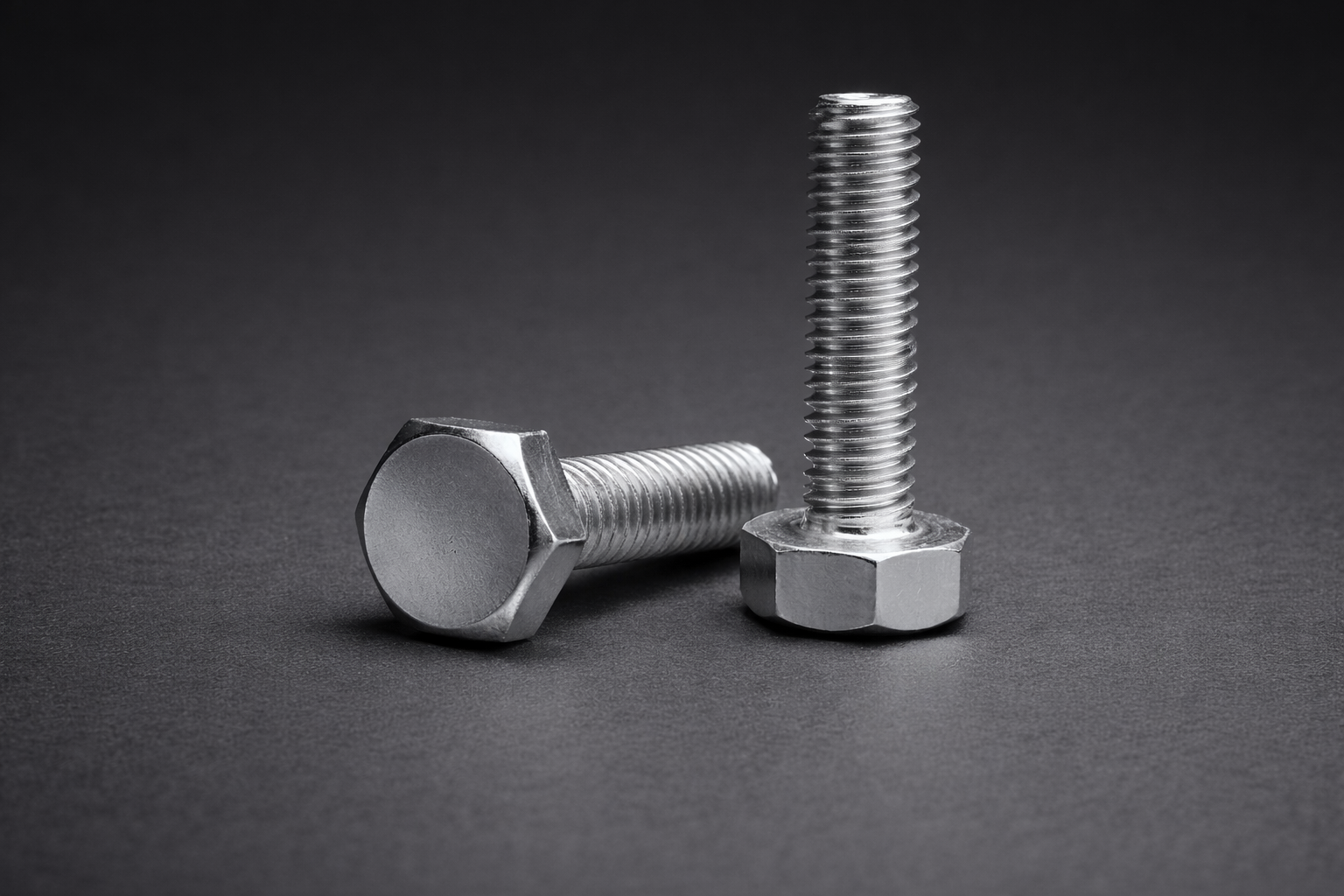
Both pieces must have a compatible nominal diameter, thread pitch, thread form and handedness. A coarse metric thread and a fine metric thread of the same nominal diameter are not interchangeable. Do not force a nut that resists normal hand-threading. Where the application requires precision, check the fit using the correct measurement tools and the applicable drawing or standard.
5. Select diameter and length
Check the drawing for nominal diameter, bolt length, engaged thread length, grip and any space restrictions. Remember that different bolt styles can be measured differently. If you are replacing an existing fastener, record its type and dimensions, and verify them against the equipment maker’s requirements rather than relying on appearance.
6. Consider the surface finish
Finishes such as zinc plating, galvanising and other protective coatings are selected for specific service environments. A coating that works well indoors may not be suitable for prolonged exposure to rain, chemicals or heat. Also consider the risk of corrosion where dissimilar metals meet. Confirm the actual finish supplied for the product and the operating conditions.
Common nut and bolt combinations
Hex bolts with compatible hex nuts
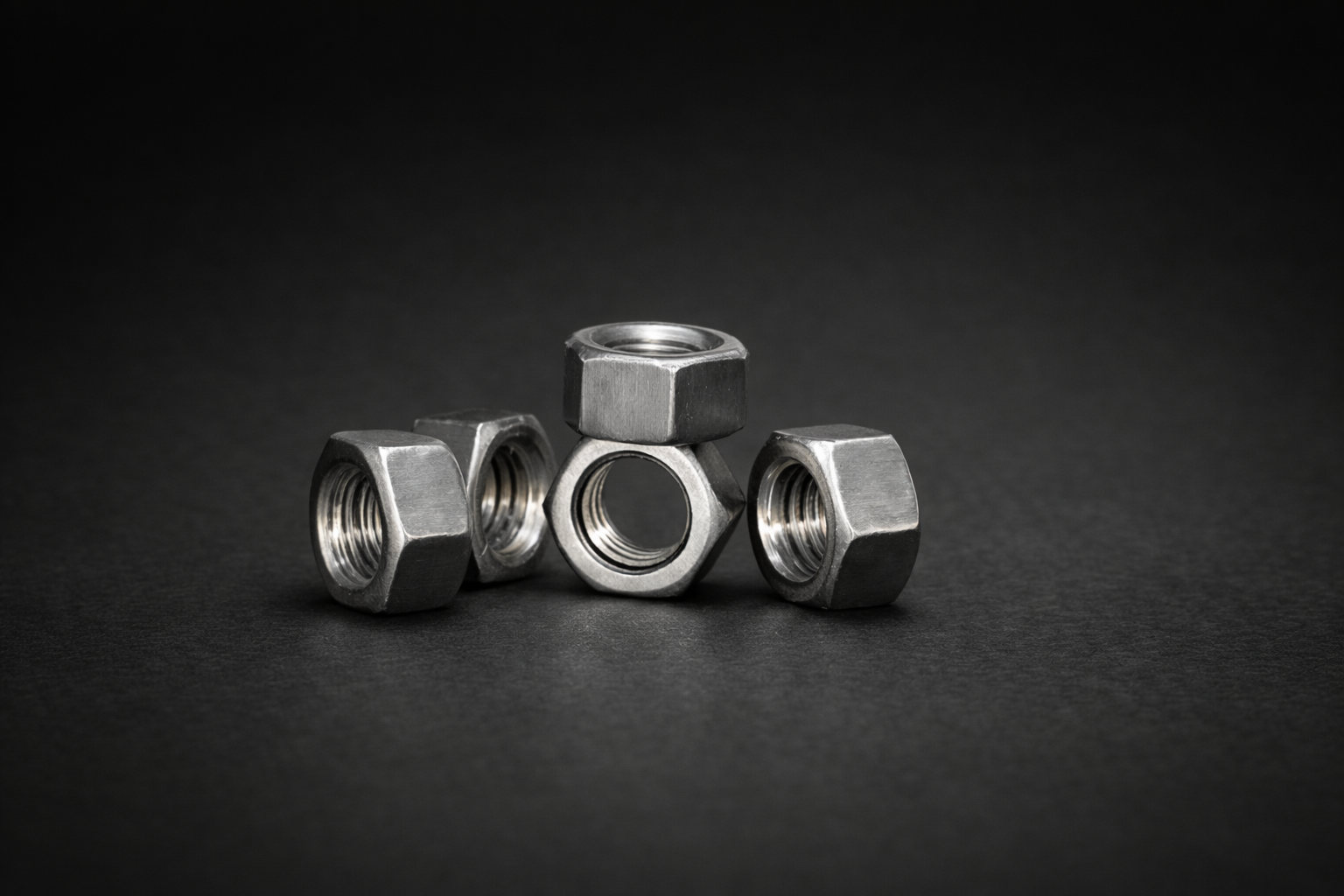
Hex bolts and hex nuts are a familiar starting point for many general mechanical connections. Their thread and mechanical specifications must still match.
Flange bolts and flange nuts
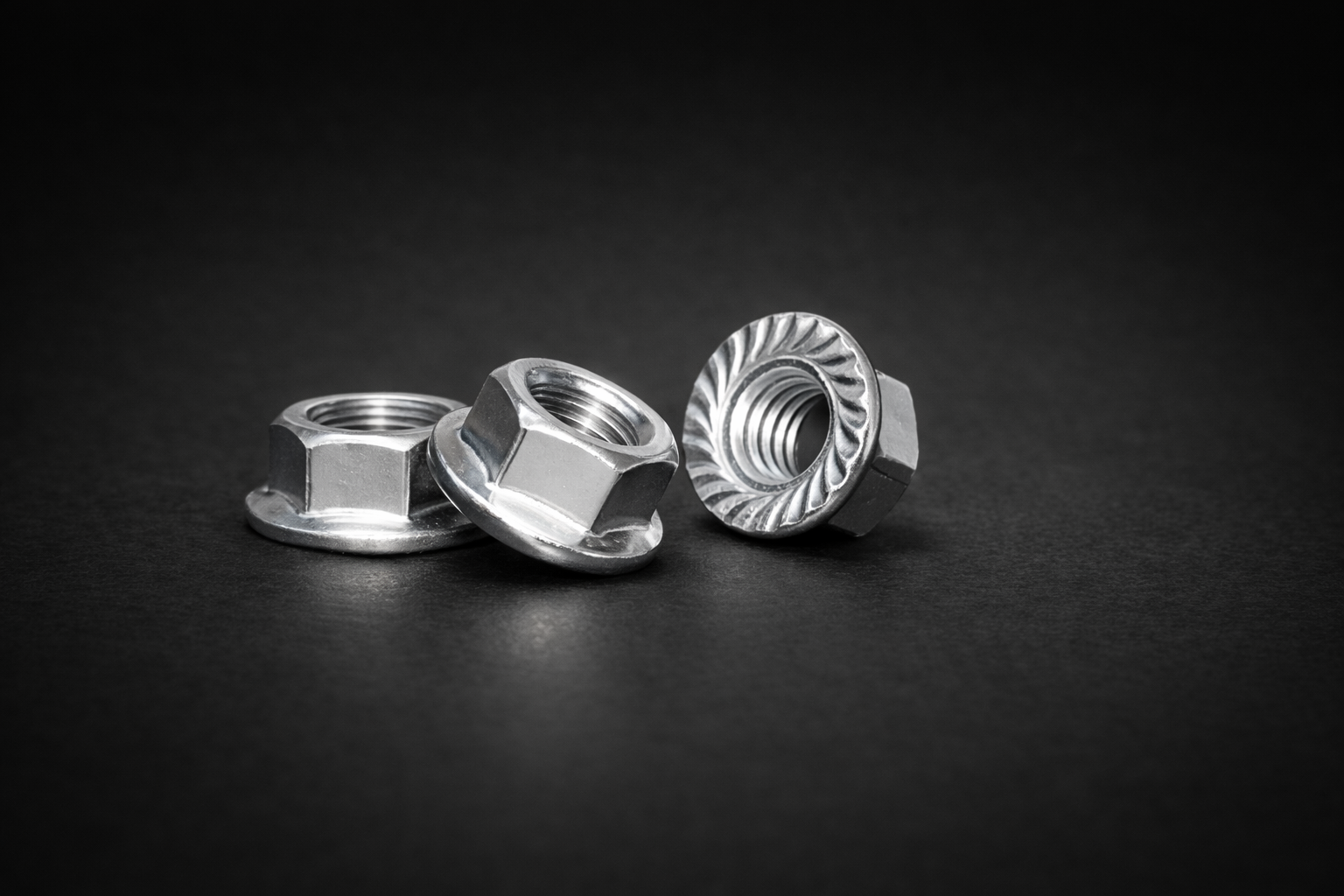
Flange bolts and flange nuts include bearing faces intended for particular joint configurations. Whether a washer is needed depends on the designed connection.
Locking nuts for movement and vibration
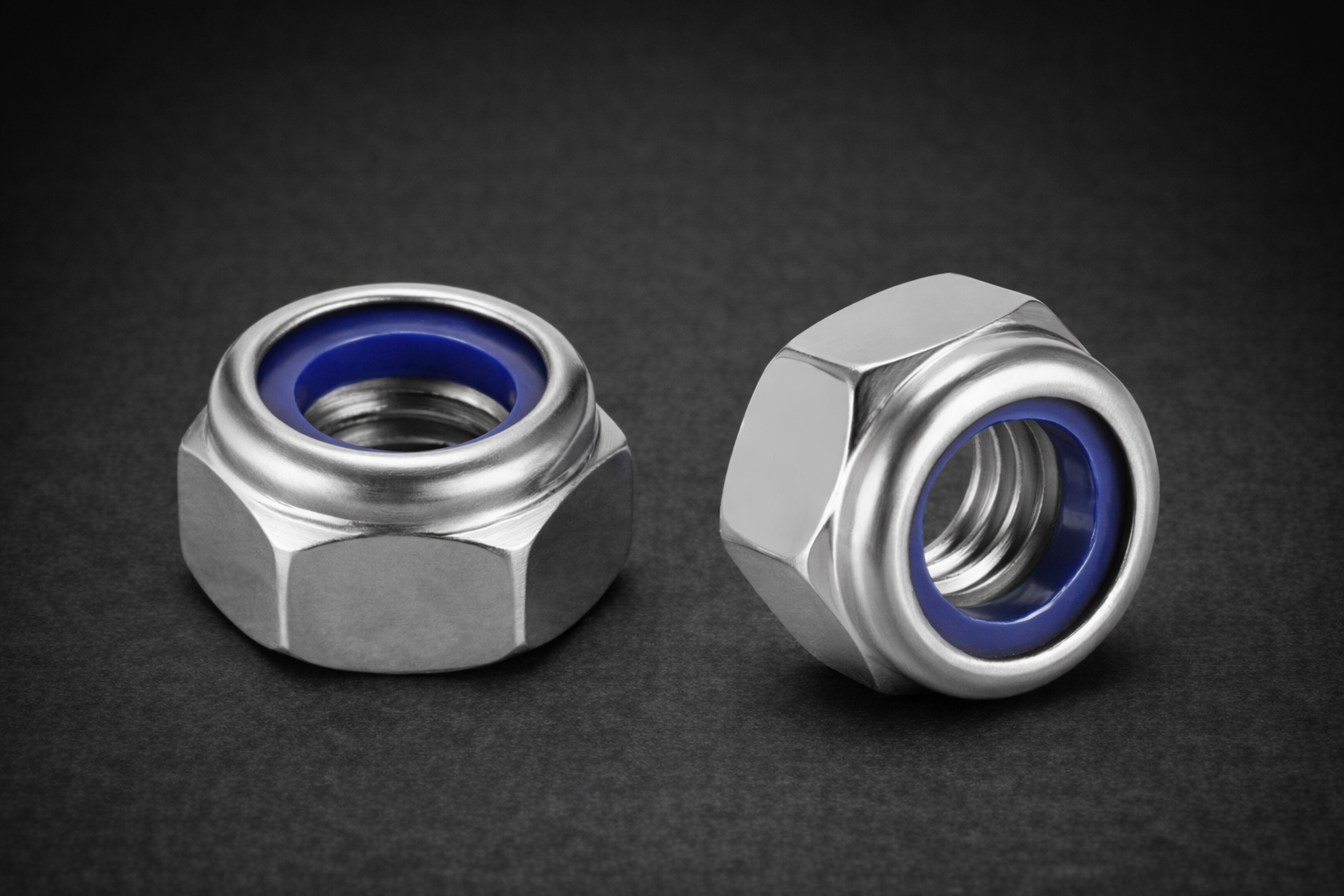
Nylon lock nuts and castle nuts use different retention approaches. Follow the correct locking method and applicable temperature, reuse and inspection requirements.
What to send when requesting a quotation
- The nut or bolt type and required quantity
- Nominal size, thread pitch and length where applicable
- Required material, grade and finish if specified
- An engineering drawing or clear sample photo where helpful
- Delivery location and any special assembly requirements
Related guides
Read different types of bolts and their uses, nuts used in construction, and nuts and bolts used in Pakistan for more context.
Frequently asked questions
Can I replace any bolt with a stainless steel bolt?
No. Check the specified mechanical requirements, dimensions, environmental conditions and compatibility before substituting materials.
What happens if a bolt and nut have different thread pitches?
They may not assemble correctly, and forcing them can damage the threads. Verify both before installation.
How do I order the right quantity?
Provide the quantity from the bill of materials or installation plan, including any approved spares. Bulk quotations should reflect the exact specification and requested quantity.
Request a quote
Hameed Engineering manufactures industrial fasteners in Gujranwala. To discuss a specific fastening requirement, contact Hameed Engineering for a price quotation. Final technical suitability should be confirmed against the relevant application requirements.

Hameed Engineering
Hameed Engineering is a Gujranwala-based manufacturer of industrial nuts, bolts and custom fasteners. We make standard and AutoCAD-based custom fasteners for construction, automotive, machinery and general industrial use — with manufacturing and bulk pricing on request.